
In July, CSI had the pleasure of hosting sixth-form student Marcus from Faversham for a work experience placement at the lab and archive. Here he dives into the fascinating project he got involved with over the week.
I particularly wanted to work at CSI in Sittingbourne because I am fascinated by the environment, by science, and by archaeology – especially the analysing of artefacts and how they behave in different conditions. In the future I would like to study geophysical sciences and physics, so CSI has provided the perfect background for this.
During my time working here, I have been able to look at artefacts from the Bronze Age, most of which were fractured pieces of spearheads, axe heads and ingots. My job was to package and label the artefacts so that they could be put on to a computer system. It was a wonderful feeling to be able to handle these valuable relics which have not been used for more than two thousand years. In 1959, more than 5400 antinomian items from Roman times were found, and in 2003 another hoard of valuable Bronze Age items dating from 800-900BC was discovered in Hollingbourne, Kent and taken to Maidstone Museum.
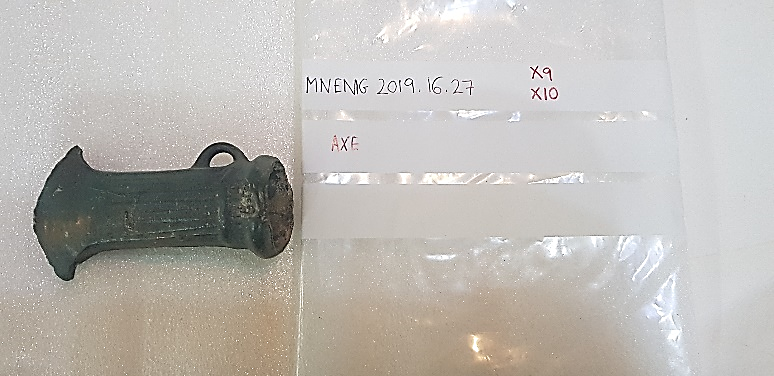
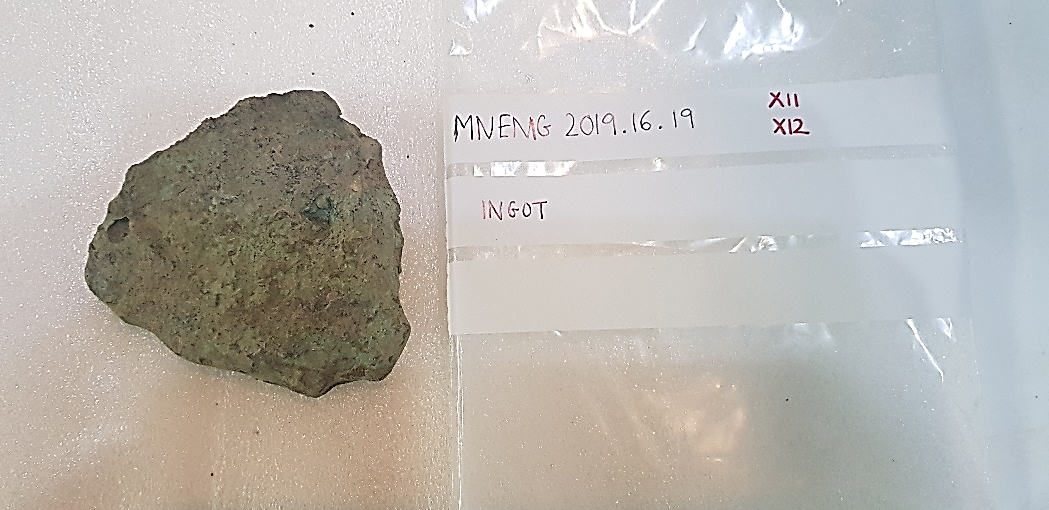
New knowledge I gained from my work experience
All the objects were made out of copper alloy (an alloy is a combination of two elements to give greater strength). The main elements of copper alloy are bronze and brass, a mixture that makes it particularly suitable for use in weapons. I also learnt that there are different levels of corrosion to the objects even if they are made of the same material.
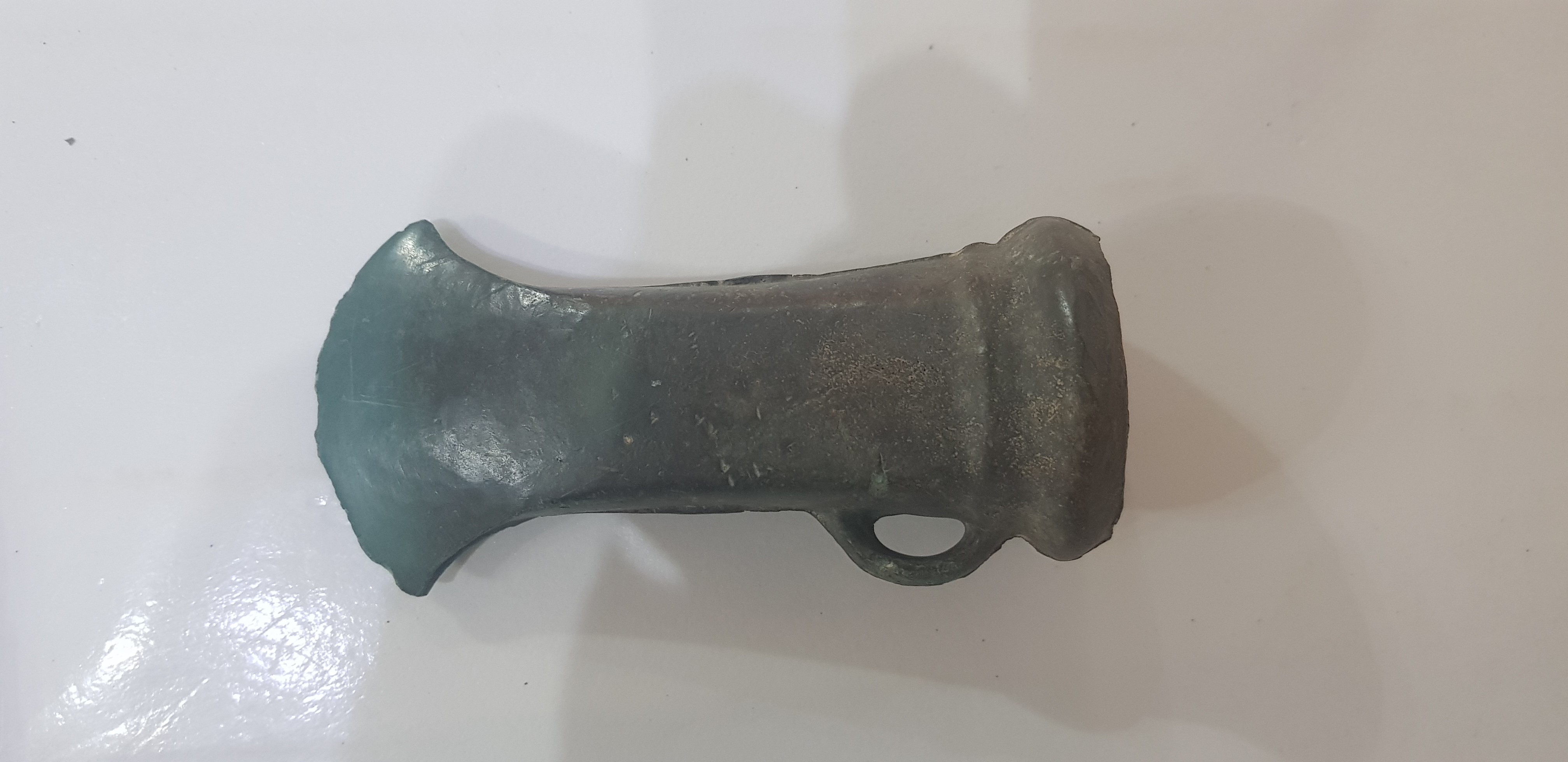

My favourite part of the work experience
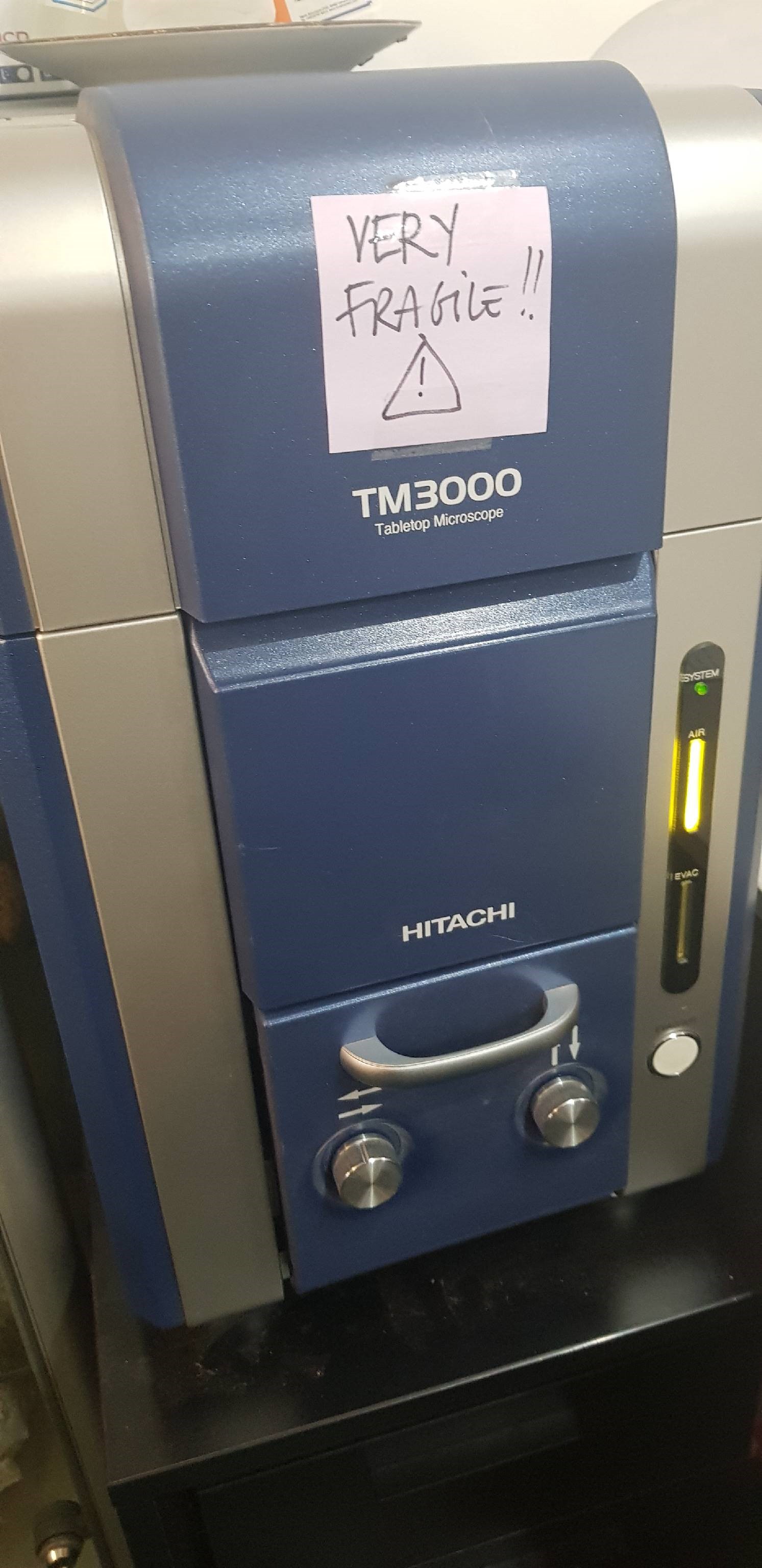
I was particularly fascinated by the scanning electron microscope (SEM), which is very different to a normal light microscope, applying electrons beams to the material to give a better resolution and magnification. The SEM has a maximum magnification of x30,000 which is 30 times more powerful than an average microscope. I learned a lot from being shown how to operate the system and use the computer myself to control the microscope. My biggest difficulty was in focusing it – the more you zoom in, the harder the image is to see on screen.
What did my project consist of?
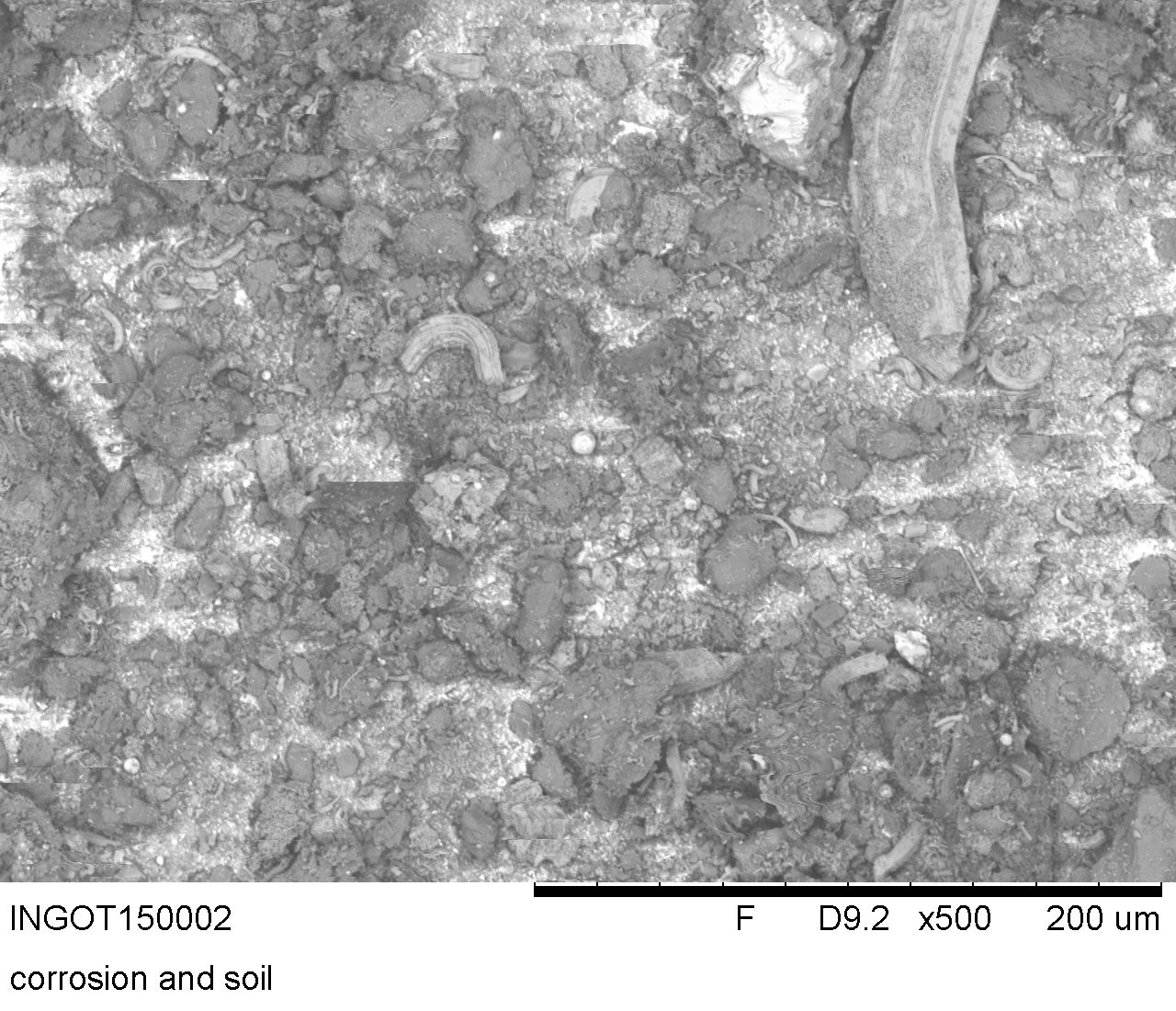
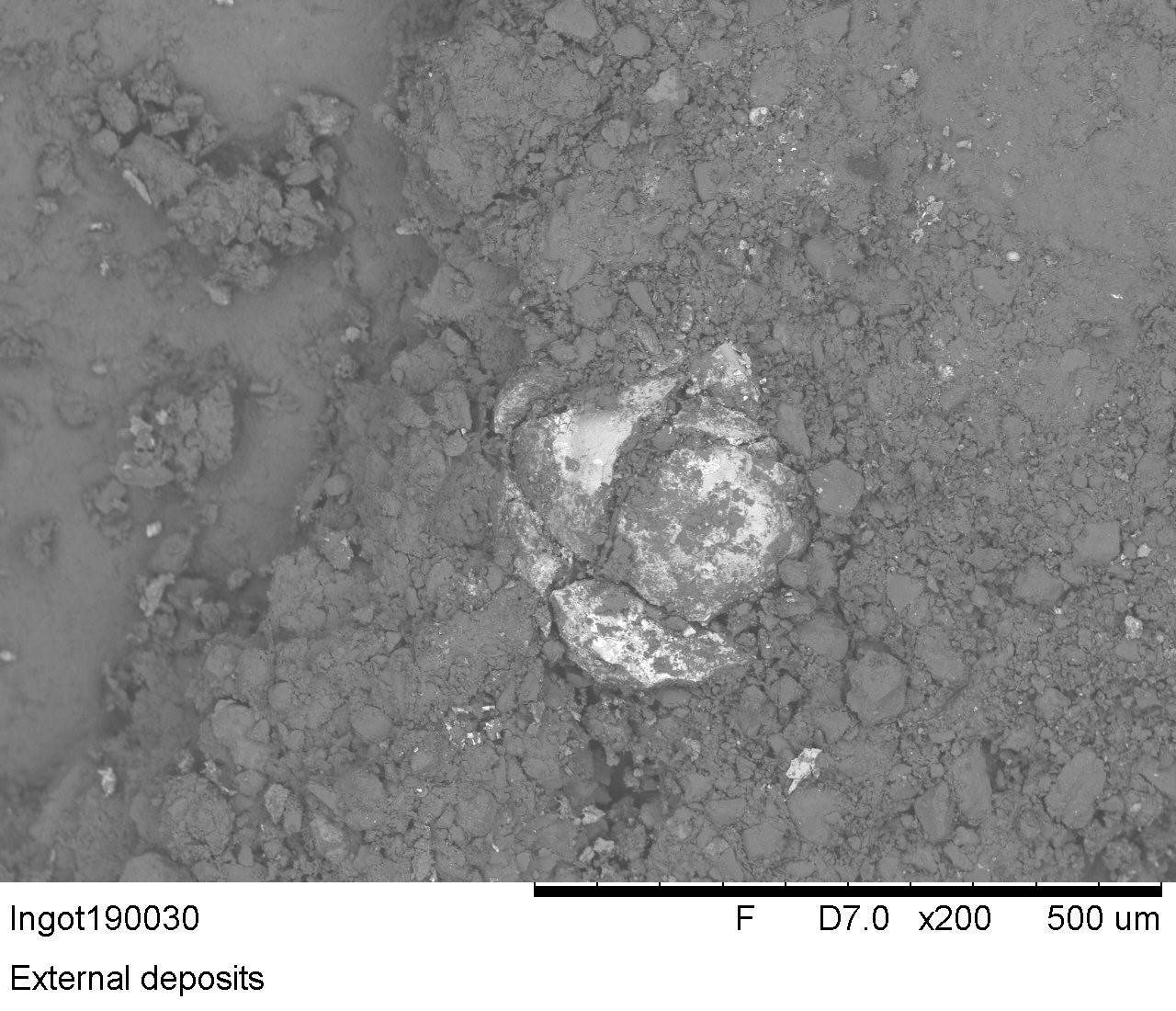
My assignment was to find out whether the soil inside an axehead has suffered more corrosion than that outside of an ingot. I used primary information from the SEM to detect that the corrosion in the exterior soil particles was more spread out. This may have been due to the influence of water from the River Len in Hollingbourne, digging, or disturbance from plant growth. Below are two of my images taken on the SEM.
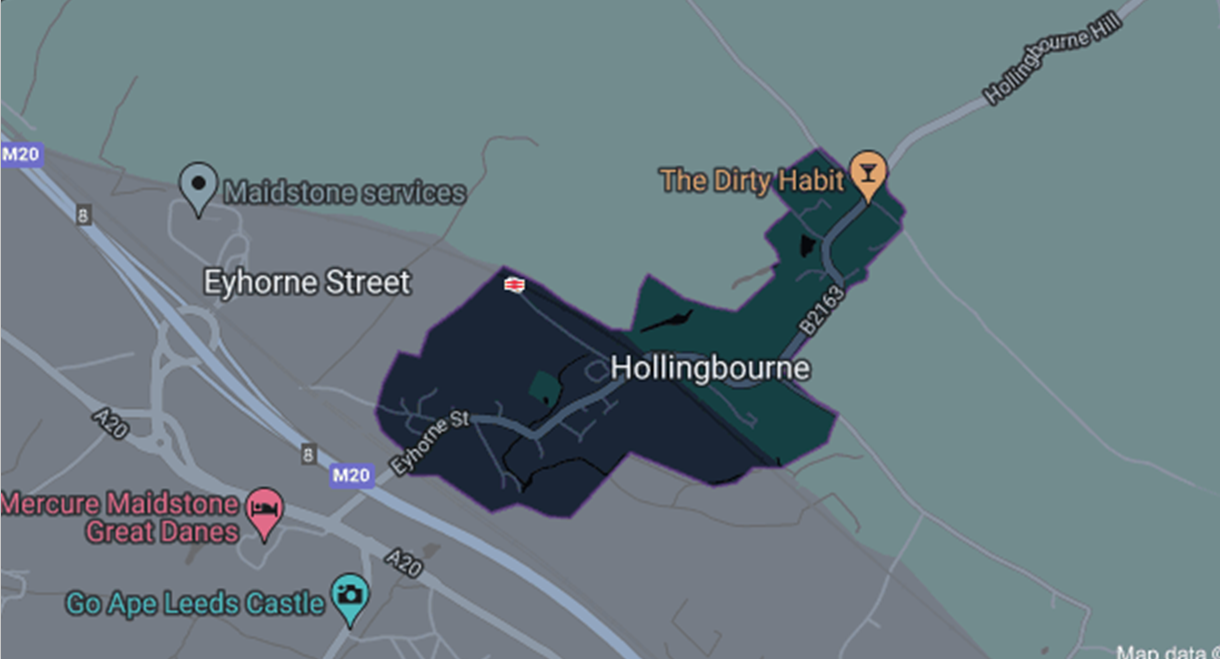
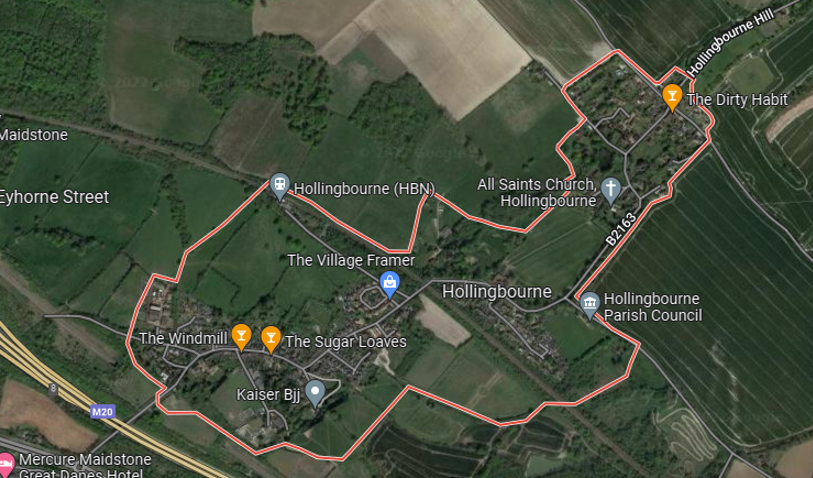
The axe heads and ingots were all located in Hollingbourne. Kent, in general, is known to have a clay and chalk geology, and Hollingbourne is specifically known to have plough soil, which consists of heavy, grey clay no more than about 30cm deep. Clay is very fertile for soils and is nutrient-rich, which means it is used for farmland – with the result that there is more digging of it, and plant roots and crops can separate the soil. This could explain why the corrosion to the exterior soil particles was more spread out in my project question.
Would I come back to volunteer again?
Yes definitely! I enjoyed working for CSI as I enjoyed working with artefacts for the first time and learning about how they are all packaged. The Scanning electron microscope was really exciting to use and it is much more powerful than the microscopes you find at school, I also find the history of the artefacts very interesting to look at as well and the timeline when they were used in the Bronze Age!

 CSI: Sittingbourne