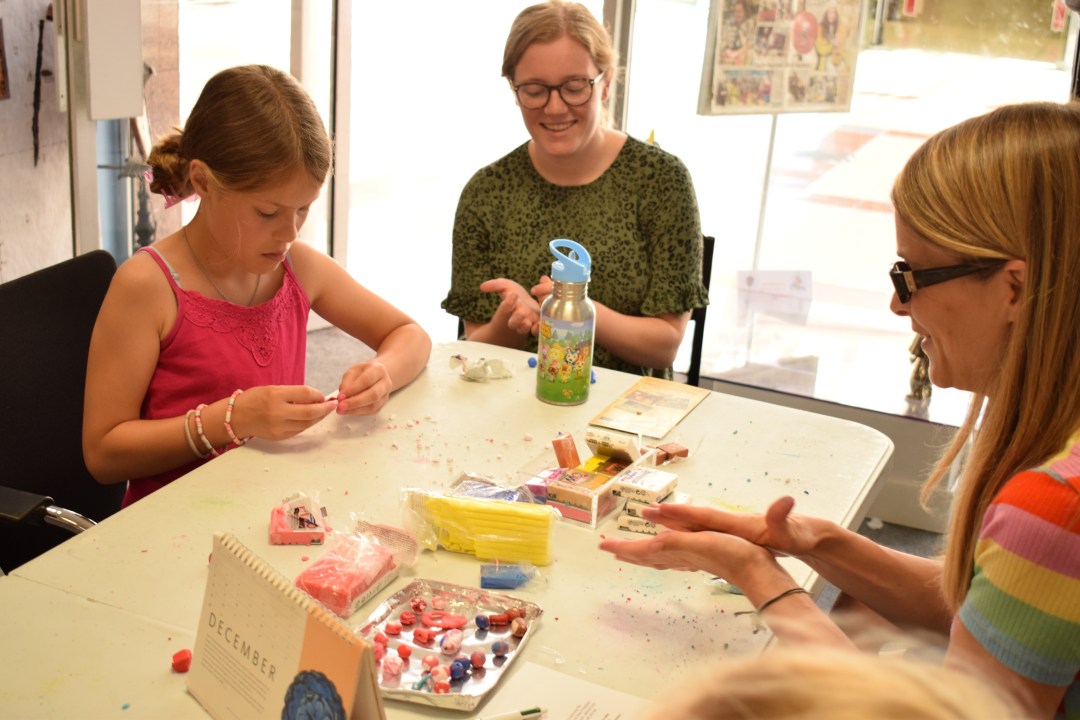
Interns Emma and Oli talk about the new experience of creating learning events for the public – our craft workshops that you can read about here. There is a lot of time and effort that goes into deciding what to include in a workshop, so here is an insight into our process.
As you may have read about in the blog, or even come along to in-person, we recently ran some educational workshops for the public based on the HS1 archive. Creating learning events from scratch was a new experience for us at CSI, but we had an advantage of having been up close and personal with the archive. First we spent time discussing our favourite finds. When it came to executing the workshop, we were reliant on each other’s expertise…
Emma: Alongside my internship here at CSI, I also work at the Postal Museum in their Visitor Experience team and volunteer with the learning team. It has been interesting to learn about the work that goes into creating a learning programme from the beginning. We have used previous resources to understand what the criteria is for KS1and KS2 [Key Stages in primary school.]
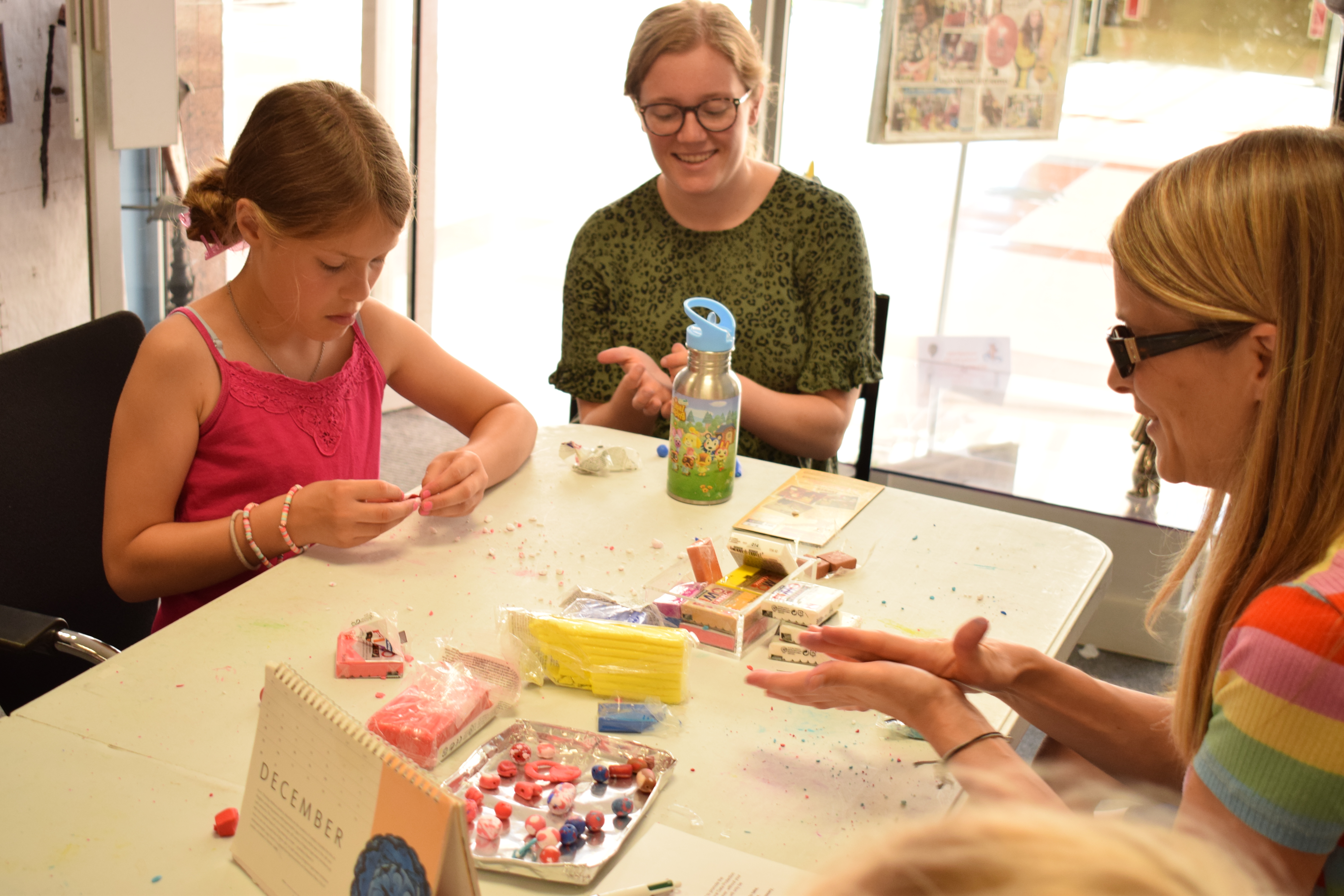
Oli: In our Roman coin workshop we engaged with local children by having them design their own coins on paper templates. I created a worksheet which included some common imagery found on coins, and instructions for the children to write out their birthdays in Roman numerals. One of the most common images which we identified across a range of Roman coins was the laurel wreath. Therefore, we decided to make our own laurels with the children, in an attempt to educate them on imperial power in the early Roman Empire, and the connotations of laurels in the modern day. Finally, we showed the children a small array of coins that were selected from the HS1 archive.
I gave a short explanation about the providence and age of a few of the coins, which led to an interesting discussion about the similarities between ancient and modern coinage. In summary, the workshop was a fun and education experience, in which the children, parents and us as the workshop leaders all had the opportunity to discuss Roman history, and learn from local archaeological finds.

Other thoughts and challenges
At an established museum [such as the Postal Museum], there is a pre-existing audience for the learning materials. However, an issue that we have faced since we only just opened was encouraging the public visiting the Forum to pop in for a chat or a workshop!
A temporary learning programme has its limits. Due to the amount of funding we have received, we couldn’t invest in long term items. Everyone has recycling – so this was the perfect cheap and sustainable solution to our problem of funding our activities, and a way to re-use the cardboard boxes that the archive arrived in!

 CSI: Sittingbourne